Canto 11

Canto 11
Chapter 31: The Ascension of Lord Krishna
(1) S'rî S'uka said: 'Then Brahmâ arrived there [in Prabhâsa], along with S'iva with his consort, the demigods led by Indra, the sages and the masters of mankind. (2-3) The forefathers, the perfected souls and divine singers, the scientists and the champions, the venerable souls, the treasure keepers and the wild men, the ones of superpower and the dancing girls of heaven and all those of Garuda [the dvijâs], desirous to witness the passing away of the Supreme Lord, eagerly chanted and praised the birth and activities of Lord S'auri [Krishna]. (4) Crowding the sky in a great number of vimânas, oh King, they showered flowers being joined in transcendental devotion. (5) When the Supreme Lord saw the great father [Brahmâ] and his powerful expansions [the demigods], the Almighty One closed His lotus eyes and fixed His consciousness within Himself. (6) Without in meditation on the fire burning in a mystic trance the object so auspicious for all concentration and meditation, viz. His body most attractive to all the worlds, He entered His heavenly abode [compare 4.4].
(7) And while in heaven kettledrums resounded and flowers fell from the sky, Truth, Righteousness, Constancy, Fame and Beauty followed Him as He left the earth [*, see also 10.39: 53-55]. (8) The demigods and others headed by Brahmâ not knowing the path that Krishna took, did not all see Him entering His abode, but those who did were most amazed. (9) Just as mortals cannot determine the path lightning describes in the sky while leaving the clouds, the demigods could not determine Krishna's path. (10) But Brahmâ, S'iva and the others who saw it, in astonishment glorified the yogic power of the Lord. Thereupon each of them returned to his own world. (11) Oh King, understand the appearance and the disappearance of the Supreme One among the embodied beings to be a false show like that of an actor, enacted by His illusory potency. Creating this universe by Himself, entering it, engaging in pastimes in it and in the end winding it up, He ceases [with these functions] and remains in the greatness of the Supreme Self. (12)He who brought the son of His guru back in the same body after he had been taken to the world of Yamarâja [10.45], He who protected you against being burned by the superior weapon [1.12], He who even conquered S'iva who is the death of the agents of death [10.63], why would He who brought the deer hunter [Jarâ] body and all to the spiritual world, not be capable of preserving Himself? (13) Despite the fact that He as the One Possessing Unlimited Potencies constitutes the exclusive cause of the maintenance, creation and annihilation of all created beings, He did not desire to keep His physical frame here in the mortal world. Why would He, who is the destination for those who are fixed upon Him, keep up appearances [see also 3.2: 10-11]? (14) Anyone who, rising early in the morning, attentively with devotion glorifies this supreme destination of Krishna, will undoubtedly reach that unsurpassable position [see also B.G. 8: 6].
(15) When Dâruka arrived in Dvârakâ, he fell down at the feet of Vasudeva and Ugrasena, that he wet with his tears because of missing Krishna. (16-17) He told the story of the complete destruction of the Vrishnis, oh ruler of man. When they heard it the people, with their hearts upset, were rendered senseless in their grief. Overwhelmed by the separation from Krishna, they struck their faces and quickly went to the place where their relatives were lying lifeless. (18) Devakî, Rohinî and Vasudeva thereupon could not find their sons Krishna and Balarâma, and lost their consciousness because of the pain of their bereavement. (19) Tormented by their separation from the Supreme Lord they gave up their lives on the spot, my best one. Then the [Yâdava] wives climbed on the funeral pyre and embraced their [dead] husbands. (20) The wives of Balarâma entered the fire and embraced His body, and so did the wives of Vasudeva and the Lord's daughters-in-law for Pradyumna and the others. Also Krishna's wives led by Rukminî, His first queen, fully absorbed in Him entered the fire. (21) Arjuna, distressed because of his separation from Krishna, his dear friend, consoled himself with the transcendental words of Krishna's song [like 2: 11-12 , 2: 20-21, 2: 27, 4: 7, 4: 6, 7: 25 and 14: 27 of the Bhagavad Gîtâ]. (22) Arjuna saw to it that for the relatives, who had died and who had no remaining family members, the funeral rites were executed in order of the seniority of the deceased as is prescribed. (23) Immediately after Dvârakâ had been abandoned by the Lord, it was flooded by the ocean, except, oh King, for the residence of the Supreme Personality of Godhead [see archeology pictures 1, 2 & 3 of the site]. (24) In that very place Madhusûdana, the Supreme Lord, is eternally present; as the most auspicious of all auspicious places, its remembrance alone is enough to take away everything inauspicious. (25) Arjuna moved the survivors - the women, the children and elders of the deceased - to Indraprastha and placed there Vajra [Aniruddha's son] on the throne. (26) After Your grandfathers had heard from Arjuna about the death of their Friend, oh King, they all left to make the great journey, but not before they had first installed you as the maintainer of the dynasty [they went northwards, see also 1.15: 34-51]. (27) Any conditioned soul who with faith sings about the birth and activities of Vishnu, the God of Gods, will be freed from all sins [see S'rî Das'âvatâra Stotra]. (28) The attractive and most auspicious exploits and childhood pastimes of the incarnation of the Supreme Lord Hari [with all His expansions, see 10.1: 62-63], have now been described here [in this Story of the Fortunate One] as also elsewhere [in other scriptures]. Anyone who proclaims them will attain the transcendental devotional service that is the destination of the perfect sages [the paramahamsas].'
Thus the eleventh Canto of the S'rîmad Bhâgavatam ends named: Krishna's Final Instructions.


Third revised edition, loaded September 4, 2022
Previous Aadhar edition and Vedabase links:
S'rî S'uka said: 'Then Brahmâ arrived there [in Prabhâsa], along with S'iva with his consort, the demigods led by Indra, the sages and the masters of mankind.S'rî S'uka said: 'Then Brahmâ with his consort Bhavânî arrived there, along with S'iva and the demigods led by Indra and the sages with the lords of the people. (Vedabase)
The forefathers, the perfected souls and divine singers, the scientists and the champions, the venerable souls, the treasure keepers and the wild men, the souls of superpower and the dancing girls of heaven and all those of Garuda [the dvijâs], desirous to witness the passing away of the Supreme Lord, eagerly chanted and praised the birth and activities of Lord S'auri [Krishna].
The forefathers, the perfected and divine singers, the scientists and the great egos, the venerable, the treasure keepers and the wild men, the ones of superpower and the dancing girls of heaven and all the ones of Garuda [the dvijâs] desirous to witness the passing away of the Supreme Lord, eagerly chanted and praised the birth and activities of S'auri. (Vedabase)
Crowding the sky in a great number of vimânas, oh King, they showered flowers being joined in transcendental devotion.
They, crowding the sky in a great number of vimânas, o King, joined in transcendental devotion showering flowers. (Vedabase)
When the Supreme Lord saw the great father [Brahmâ] and his powerful expansions [the demigods], the Almighty One closed His lotus eyes and fixed His consciousness within Himself.
The Supreme Lord seeing the great father and his powerful expansions before Him, fixed His consciousness within Himself, the Almighty One, and closed His lotus eyes. (Vedabase)
Without in meditation on the fire burning in a mystic trance the object so auspicious for all concentration and meditation, viz. His body most attractive to all the worlds, He entered His heavenly abode [compare 4.4].
Without burning in a mystic trance the object auspicious to all trance and meditation, viz. His body that is most attractive in all the worlds, He entered His own abode [compare 4.4]. (Vedabase)
And while in heaven kettledrums resounded and flowers fell from the sky, Truth, Righteousness, Constancy, Fame and Beauty followed Him as He left the earth [*, see also 10.39: 53-55].
And while in heaven kettledrums resounded and flowers fell from the sky, He was, as He left the earth, followed by Truth, Righteousness, Constancy, Fame and Beauty [see also 10.39: 53-55]. (Vedabase)
The demigods and others headed by Brahmâ not knowing the path that Krishna took, did not all see Him entering His abode, but those who did were most amazed.
The demigods and others headed by Brahmâ, not [quite] knowing what Krishna had done, didn't all see Him entering His abode, but those who did were most amazed. (Vedabase)
Just as mortals cannot determine the path lightning describes in the sky while leaving the clouds, the demigods could not determine Krishna's path.
Just as mortals cannot ascertain the path lightning describes in the sky as it finds its way through the clouds, the gods likewise couldn't trace the path of Krishna. (Vedabase)
But Brahmâ, S'iva and the others who saw it, in astonishment glorified the yogic power of the Lord. Thereupon each of them returned to his own world.
But Brahmâ, S'iva and the others witnessing, in astonishment glorified the yogic power of the Lord, after which each of them returned to his own world. (Vedabase)
Oh King, understand the appearance and the disappearance of the Supreme One among the embodied beings to be a false show like that of an actor, enacted by His illusory potency. Creating this universe by Himself, entering it, engaging in pastimes in it and in the end winding it up, He ceases [with these functions] and remains in the greatness of the Supreme Self.
Oh King, you should understand that the appearance, the actions of His illusory potency, and the disappearance of the Supreme One, just as it happens with normal embodied beings, constitutes a performance. It is a show in which He just like an actor by means of Himself sets in motion this universe by entering it, acting in it and in the end winding it up. After having ceased He then remains in the greatness of the Supreme Self. (Vedabase)
He who brought the son of His guru back in the same body after he had been taken to the world of Yamarâja [10.45], He who protected you against being burned by the superior weapon [1.12], He who even conquered S'iva who is the death of the agents of death [10.63], why would He who brought the deer hunter [Jarâ] body and all to the spiritual world, not be capable of preserving Himself?
He who brought His guru's son in his selfsame body back after he had been taken to the world of Yamarâja [10.45], He who also offered protection against the superior weapon that burned you [1.12]; He who even conquered S'iva, who is the death of the agents of death [10.63], why would He, who brought the deerhunter [Jarâ] body and all to the spiritual world, be incapable of preserving Himself? (Vedabase)
Despite the fact that He as the One Possessing Unlimited Potencies constitutes the exclusive cause of the maintenance, creation and annihilation of all created beings, He did not desire to keep His physical frame here in the mortal world. Why would He, who is the destination for those who are fixed upon Him, keep up appearances [see also 3.2: 10-11]?
Despite the fact that He as the One Possessing Unlimited Potencies constitutes the exclusive cause of the maintenance, creation and annihilation of all created beings, He did not desire to keep His physical frame here in the mortal world. Why would He, who is the destination for those who fixed themselves upon Him, keep up appearances [see also 3.2: 10-11]? (Vedabase)
Anyone who, rising early in the morning, attentively with devotion glorifies this supreme destination of Krishna, will undoubtedly reach that unsurpassable position [see also B.G. 8: 6].
Anyone who, rising early in the morning, with care glorifies this supreme destination of Krishna, will with the devotion undoubtedly reach that unsurpassable destination [see also B.G. 8: 6].
(Vedabase)
When Dâruka arrived in Dvârakâ, he fell down at the feet of Vasudeva and Ugrasena, that he wet with his tears because of missing Krishna.
Dâruka deprived of Krishna arriving in Dvârakâ, wet with his tears the feet of Vasudeva and Ugrasena he fell down to. (Vedabase)
He told the story of the complete destruction of the Vrishnis, oh ruler of man. When they heard it the people, with their hearts upset, were rendered senseless in their grief. Overwhelmed by the separation from Krishna, they struck their faces and quickly went to the place where their relatives were lying lifeless.
He related the destruction of the entirety of the Vrishnis, o ruler of man, and hearing that the people, with their hearts full of sorrow, were rendered senseless. They, overwhelmed by the separation from Krishna, struck their faces, and quickly went to the place where their relatives were laying lifeless. (Vedabase)
Devakî, Rohinî and Vasudeva thereupon could not find their sons Krishna and Balarâma, and lost their consciousness because of the pain of their bereavement.
When Devakî, Rohinî and Vasudeva thereupon couldn't find their sons, they pained in tears lost their consciousness. (Vedabase)
Tormented by their separation from the Supreme Lord they gave up their lives on the spot, my best one. Then the [Yâdava] wives climbed on the funeral pyre and embraced their [dead] husbands.
Tormented by being separated from the Supreme Lord they gave up their lives on the spot. Embracing their [dead] husbands my dearest, the wives climbed upon the funeral pyre. (Vedabase)
The wives of Balarâma entered the fire and embraced His body, and so did the wives of Vasudeva and the Lord's daughters-in-law for Pradyumna and the others. Also Krishna's wives led by Rukminî, His first queen, fully absorbed in Him entered the fire.
The same way the wives of Balarâma embraced His body and entered the fire, the wives of Vasudeva joined his body in the fire and the Lord His daughters-in-law to Pradyumna and the others stepped into the fire. Also the wives of Krishna led by Rukminî, His first queen, fully absorbed in Him followed that course. (Vedabase)
Arjuna, distressed because of his separation from Krishna, his dear friend, consoled himself with the transcendental words of Krishna's song [like 2: 11-12 , 2: 20-21, 2: 27, 4: 7, 4: 6, 7: 25 and 14: 27 of the Bhagavad Gîtâ].
Arjuna distressed because of his separation from Krishna, his dear friend, consoled himself with the transcendental words of Krishna's song [like 2: 11-12 , 2: 20-21, 2: 27, 4: 7, 4: 6, 7: 25 and 14: 27 of the Bhagavad Gîtâ]. (Vedabase)
Arjuna saw to it that for the relatives, who had died and who had no remaining family members, the funeral rites were executed in order of the seniority of the deceased as is prescribed.
As is prescribed Arjuna saw to it that for the relatives who had died and who had no remaining family members, the funeral rites were executed in order of the seniority of the deceased. (Vedabase)
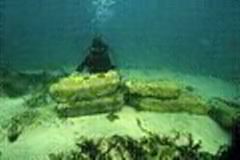
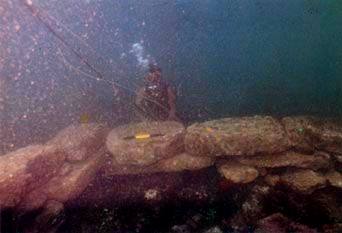
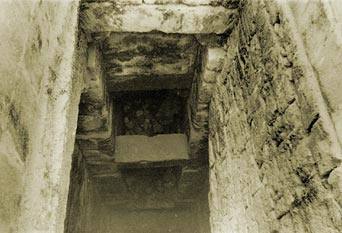
Immediately after Dvârakâ had been abandoned by the Lord, it was flooded by the ocean, except, oh King, for the residence of the Supreme Personality of Godhead [see archeology pictures 1, 2 & 3 of the site].
Dvârakâ, once it was abandoned by the Lord, was immediately flooded by the ocean except, o King, for the residence of the Supreme Personality of Godhead [see archeology pictures 1, 2 & 3 of the site]. (Vedabase)
In that very place Madhusûdana, the Supreme Lord, is eternally present; as the most auspicious of all auspicious places, its remembrance alone is enough to take away everything inauspicious.
In that very place Madhusûdana, the Supreme Lord, is eternally present. As the most auspicious of all auspicious places, its remembrance takes away everything inauspicious. (Vedabase)
Arjuna moved the survivors - the women, the children and elders of the deceased - to Indraprastha and placed there Vajra [Aniruddha's son] on the throne.
Arjuna, resettling the survivors - the women, the children and elders of the ones killed - in Indraprastha, placed there Vajra [Aniruddha's son] on the throne. (Vedabase)
After Your grandfathers had heard from Arjuna about the death of their Friend, oh King, they all left to make the great journey, but not before they had first installed you as the maintainer of the dynasty [they went northwards, see also 1.15: 34-51].
From Arjuna hearing of the death of their friend, o King, left all your grandfathers to make the great journey, after first installing you as the maintainer of the dynasty [they went northwards, see also 1.15: 34-51]. (Vedabase)
Any conditioned soul who with faith sings about the birth and activities of Vishnu, the God of Gods, will be freed from all sins [see S'rî Das'âvatâra Stotra].
Any conditioned soul who with faith sings about the birth and activities of Vishnu, the God of Gods, will be completely freed from all sins [see S'rî Das'âvatâra Stotra]. (Vedabase)
The attractive and most auspicious exploits and childhood pastimes of the incarnation of the Supreme Lord Hari [with all His expansions, see 10.1: 62-63], have now been described here [in this Story of the Fortunate One] as also elsewhere [in other scriptures]. Anyone who proclaims them will attain the transcendental devotional service that is the destination of the perfect sages [the paramahamsas].'
The attractive and most auspicious exploits and childhood pastimes of the incarnation of the Supreme Lord Hari [with all His expansions, see 10.1: 62-63], have now been described here [in this Story of the Fortunate One] as also elsewhere [in other scriptures]. A person singing them will attain the transcendental devotional service which is the destination of all the perfect sages [the paramahamsas].' (Vedabase)*: S'rîla Vishvanâtha Cakravarti Thhâkura comments here: 'Truth and other qualities departed so that various bad qualities could become prominent in Kali-yuga.'

The
text and audio are offered under the conditions of
the
Creative Commons
Attribution-Noncommercial-Share Alike 3.0
Unported License.
First
picture is a detail of 'Indra Paying Homage to Krishna', Folio
from a Bhagavata Purana
(Ancient Stories of the Lord), India, Madhya Pradesh, Malwa,
South Asia, circa 1640.
Second picture is a detail of: "Brahma Salutes Krishna". Folio
from a Bhagavata Purana (Ancient Stories of the Lord),
1525-1550.
Both pictures courtesy of Lacma.org.
The third picture called 'Final Release' and is of Abanindra Nath Tagore.
Source: 'Myths of the Hindus and Buddhists', Ballantine Press,
Oct. 1913.
Production: Filognostic
Association of The Order of Time.

Feed-back | Links | Downloads | Music | Pictures | What's New | Search | Donations



 Text 1